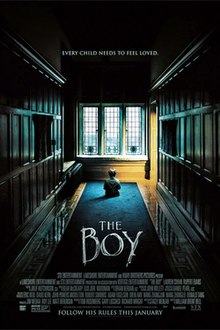
First, there's the standard release model. This is the most traditional style and it consists of the movie being released in theaters for 16 and a half weeks. Then it goes on to VHS and after a few months it is released to Pay TV. After two years, it goes on to free-to-air TV.
Next, there's simultaneous release. This is when a movie is available for viewing at movie theaters, DVD, and internet all at once. This allows viewers to choose the medium of viewing that fits their personal needs and preferences; however, because the film is released all at once this causes it to receive less promotion.
There's also straight-to-video release. This is when a film is released on home video formats and is never released in theaters. Independent movie makers and companies have found the most success with this strategy because of strong DVD sales.
My co-director and I would use one of these models to distribute our film by figuring out which release strategy would be best suited for our target audience. Our target audience is on the younger side, so we would probably use a release strategy that is the most affordable and convenient for them. That would be a straight to video release, so the film would skip the theaters and go straight to the internet. This way our viewers can easily access it.